 By James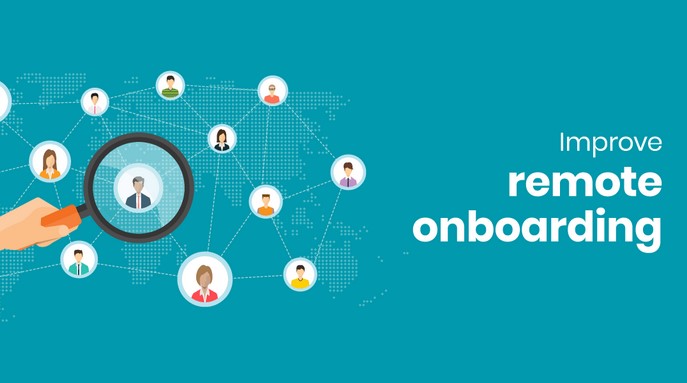
As organizations continue to embrace distributed and hybrid work models, the way new employees are introduced to their roles has undergone a fundamental shift. Traditional, in-person onboarding methods are no longer sufficient for geographically dispersed teams. Instead, companies must design intentional, structured, and engaging Remote onboarding processes that ensure new hires feel prepared, connected, and productive from day one. This article introduces modern ideas and practical approaches to making remote onboarding more efficient, consistent, and impactful.
1. Redefining Onboarding for a Remote-First Environment
Remote onboarding is not simply a digital version of in-office orientation; it requires a rethinking of how employees learn, connect, and contribute without physical proximity. In a remote-first environment, onboarding must balance information delivery with relationship-building, while minimizing confusion and cognitive overload.
The first step is redefining onboarding objectives. Effective remote onboarding focuses on three core outcomes: role clarity, cultural integration, and operational readiness. New hires should clearly understand what is expected of them, how their work contributes to organizational goals, and how to navigate tools and processes independently.
Standardization plays a critical role in achieving these outcomes. Without a consistent framework, remote onboarding can become fragmented, leading to uneven experiences across teams. Documented onboarding paths, role-specific checklists, and centralized resources ensure that every new hire receives the same foundational knowledge regardless of location.
At the same time, personalization should not be overlooked. While core content can be standardized, managers should tailor elements such as goals, training depth, and early projects to the individual’s experience level and role. This balance between structure and flexibility is essential for maintaining efficiency without sacrificing engagement.
2. Leveraging Technology to Create Seamless Onboarding Journeys
Technology is the backbone of efficient remote onboarding. When used strategically, it reduces administrative burden, accelerates learning, and improves the overall employee experience. However, effectiveness depends on thoughtful integration rather than the sheer number of tools.
A centralized onboarding platform is often the starting point. This serves as a single hub where new hires can access schedules, documents, training materials, and introductions. Having one clear entry point reduces confusion and prevents important information from being scattered across multiple systems.
Automation is another key efficiency driver. Automated workflows can handle repetitive tasks such as account setup, document collection, and training assignments. This not only saves time for HR and IT teams but also ensures that new hires are equipped with the tools they need on their first day.
Knowledge Sharing and Social Connection at Scale
Beyond logistics, remote onboarding must address knowledge transfer and social integration. Asynchronous learning modules allow new employees to absorb information at their own pace, reducing meeting fatigue while supporting deeper understanding. Short videos, interactive guides, and scenario-based learning are particularly effective for remote contexts.
Equally important is creating opportunities for connection. Virtual introductions, peer mentoring programs, and informal check-ins help new hires build relationships despite physical distance. Assigning an onboarding buddy can significantly improve confidence and reduce the hesitation new employees often feel when asking questions remotely.
Clear communication norms also enhance efficiency. New hires should be guided on where to find information, how to ask for help, and which channels to use for different types of communication. This clarity reduces delays and prevents frustration during the critical early weeks.
3. Measuring, Improving, and Sustaining Onboarding Efficiency
Streamlining remote onboarding is not a one-time initiative; it requires continuous evaluation and improvement. Organizations that regularly assess onboarding effectiveness are better positioned to adapt to changing workforce needs and expectations.
Measurement begins with defining meaningful metrics. Common indicators include time-to-productivity, early performance milestones, new hire satisfaction, and retention rates. These metrics provide insight into whether onboarding processes are truly supporting efficiency and engagement.
Feedback from new hires is especially valuable. Surveys, one-on-one check-ins, and retrospective sessions can reveal gaps that may not be visible to managers or HR teams. Listening to feedback and acting on it demonstrates commitment to employee success and continuous improvement.
Another important aspect is manager capability. Managers play a central role in onboarding, yet they are often underprepared for remote onboarding responsibilities. Providing managers with training, templates, and clear expectations ensures a more consistent experience across the organization.
Sustainability also depends on keeping onboarding content current. As tools, policies, and organizational priorities evolve, onboarding materials must be updated accordingly. Outdated information can quickly erode trust and efficiency. Assigning ownership for content maintenance helps ensure long-term relevance.
Finally, organizations should view onboarding as part of a broader employee lifecycle. Effective onboarding lays the foundation for engagement, performance, and development. When aligned with ongoing learning and career growth initiatives, onboarding becomes a strategic advantage rather than a transactional process.
Efficient remote onboarding is a critical capability in today’s distributed work landscape. By redefining onboarding goals, leveraging the right technologies, and committing to continuous improvement, organizations can create experiences that are both scalable and human-centered. Well-designed Remote onboarding processes not only accelerate productivity but also foster connection, confidence, and long-term employee success in a remote-first world.